
Food Photo Editing Guide for Restaurant Menus
Make food look delicious on UberEats, DoorDash, and digital menus: Color correction, warming filters, aspect ratio crops, and quick cleanups.
On food delivery apps like DoorDash, UberEats, and Grubhub, appetizing menu photos can increase order volume by over 30%. However, dim kitchen lighting and yellow indoor bulbs often make dishes look unappealing.
ILoveImages allows restaurant owners and chefs to brighten plates, warm up colors, and crop to delivery platform specifications in seconds.
By utilizing modern browser WebAssembly and HTML5 Canvas pipelines, ILoveImages processes every image locally inside your device memory. This eliminates upload bottlenecks, protects your confidential files from third-party server exposure, and provides lightning-fast execution even on high-resolution camera files.
Restaurant Menu Food Photography Enhancement
Side-by-side visual comparison • Instant on-device result
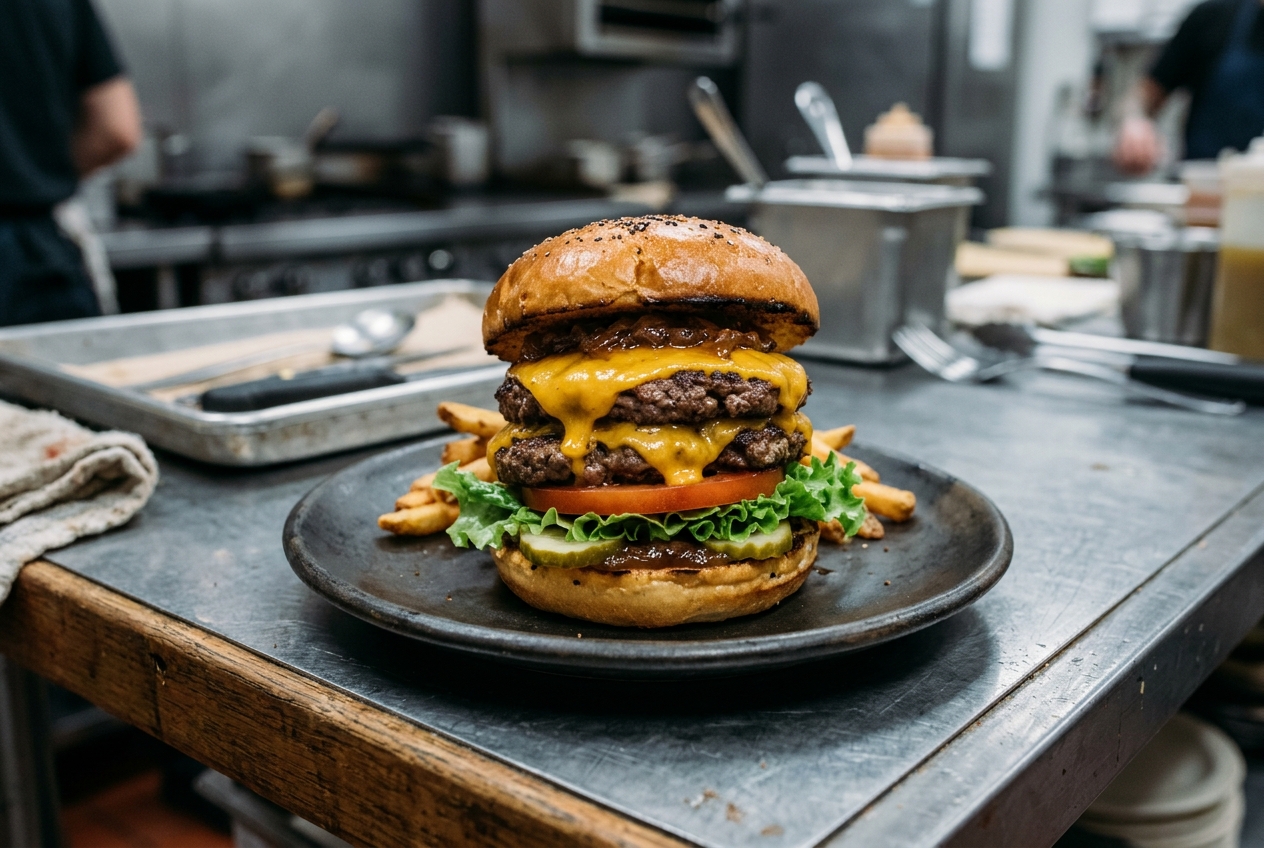
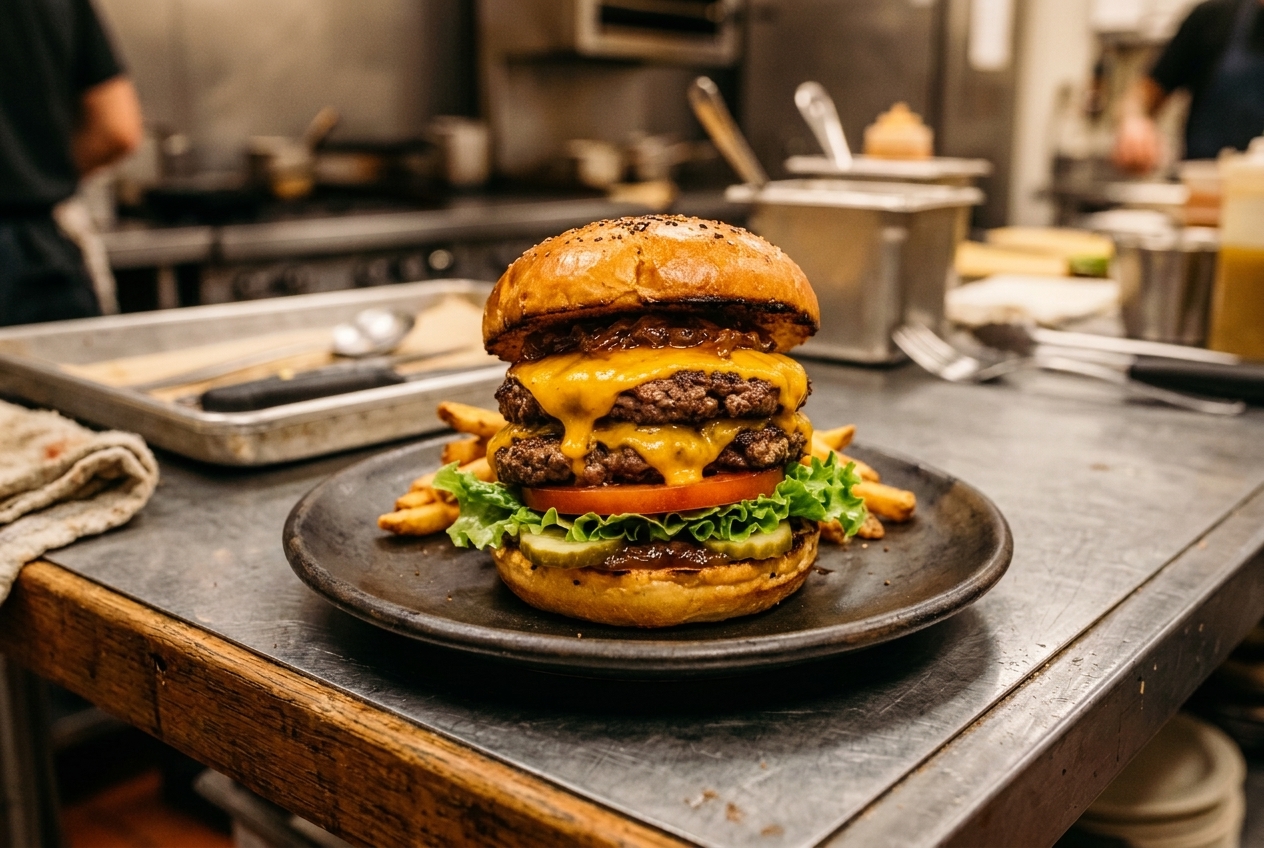
Figure 1: Side-by-side demonstration of culinary food photography enhancement. Natural highlights, rich color grading, and mouth-watering textures are restored directly in your browser.
Enhance Food Photos FreeRecommended ILoveImages Tools & Core Capabilities for Restaurant Menus
Modern professional workflows demand speed, consistency, and uncompromising data security. Whether preparing client deliverables, meeting regulatory compliance standards, or managing high-volume product catalogs, ILoveImages equips Restaurant Menus with high-performance tools engineered for real-world efficiency:
- 360Editor Professional Suite: Complete 11-tab in-browser editing environment with multi-layer overlays, color grading, and complete history rollback.
- High-Speed Bulk Compressor: Automatically reduce photo file sizes to meet strict upload quotas (under 20KB, 50KB, or 100KB) with zero perceptible sharpness loss.
- AI Background Remover & Circle Crop: Cut out subjects cleanly and generate standardized headshots, product listings, and employee avatars in seconds.
- Batch Renaming & Numbering: Organize hundreds of photoshoot files with clean sequential numbering, date stamps, and project prefixes in one click.
- Permanent PII Redaction & Metadata Scrubbing: Blur sensitive client details and strip GPS geotags before sharing files to guarantee client confidentiality and GDPR/HIPAA compliance.
Step-by-Step Professional Workflow for Restaurant Menus
Integrate this seamless 5-step workflow into your daily routine to save hours each week without paying expensive recurring software subscriptions:
Key Best Practices for Restaurant Menus
To maintain top professional standards across all digital assets, keep these core guidelines in mind:
- Always sanitize metadata before publishing: Strip GPS coordinates and camera serial numbers from client photos using Remove EXIF to prevent location leaks.
- Standardize resolution and aspect ratios: Maintain consistent dimensions (e.g. 1080x1350 for social, 2000x2000 for e-commerce) to build a cohesive visual brand.
- Protect client confidentiality: Avoid uploading proprietary blueprints, financial records, or patient photos to third-party cloud utilities—always use local in-browser processing.
Make Your Food Photos Pop Free
Warm up lighting, boost saturation, and format menu pictures.
Frequently Asked Questions
What is the best format for online menus?
High-resolution JPG or WebP at 1200x800 or 1080x1080 resolution.
Can I use these tools completely offline without an internet connection?
Yes! Once you visit ILoveImages or install it as a PWA, all core scripts and WebAssembly modules are cached locally in your browser's service worker, allowing you to edit photos anywhere, even in airplane mode.
Are my uploaded photos or edits stored on any server?
Never. ILoveImages is built with a zero-server-upload architecture. Every pixel calculation occurs strictly in your browser's local sandbox memory.